AI Video Generators Compared: Grok Imagine vs Midjourney vs Runway (2025)
We tested 5 leading AI video generators across identical projects: a 12-second product promo, an avatar explainer video, and an 8-second social media loop. After 40+ hours of rendering, editing, and comparing outputs, I found what actually works - and what's still hype.
The AI video generation space exploded in 2025. Grok Imagine launched with audio integration, Midjourney finally entered video, and Runway's Gen-3 pushed quality to near-cinematic levels. But which tool fits your workflow? We spent three weeks finding out. Spoiler: we wasted money on tools that didn't deliver.
Our testing methodology: Each platform rendered the same creative briefs. We measured output quality (1-10 rating), render time, motion coherence, audio capabilities, collaboration features, and total cost per finished video.
Quick Decision Matrix
| Use Case | Best Pick | Why | Runner-Up |
|---|---|---|---|
| Promo teaser with music | Grok Imagine v0.9 | 1080p clips + AI sound bed + timeline editor | Runway Gen-3 |
| Stylized social loops | Midjourney Video Beta | Fast style transfer, consistent artistic look | Pika Labs |
| Cinematic storytelling | Runway Gen-3 | 2K output, physics-aware motion, API access | Grok Imagine |
| Collaborative storyboard | Pika Labs Studio | Scene-by-scene review links, annotations, 4K export | Runway |
| Avatar explainers | Synthesia 2025 | Gestures, LMS integrations, script approval workflow | HeyGen |
What We Actually Tested
I didn't just run demos - that's what every other comparison does. We created real deliverables:
Test 1: 12-Second Product Promo
- Brief: Tech product reveal with dynamic camera movement
- Requirements: Music, text overlay capability, 1080p minimum
- Judged on: Visual quality, motion smoothness, audio sync
Test 2: Avatar Explainer (60 seconds)
- Brief: Software tutorial with talking head
- Requirements: Natural gestures, script sync, brand background
- Judged on: Lip sync accuracy, gesture naturalness, render speed
Test 3: 8-Second Social Loop
- Brief: Eye-catching scroll-stopper for Instagram
- Requirements: smooth loop, artistic style, vertical format
- Judged on: Loop smoothness, style consistency, engagement potential
Full lab notes stored in our research archive. Wondering which tool matches your specific use case? Let's break down each one.
1. Grok Imagine v0.9 - Best for Audio-Integrated Promos
Rating: 8.5/10
Grok Imagine is xAI's entry into video generation, and they made a smart bet: audio integration from day one. While competitors treat sound as an afterthought, Grok generates synchronized soundtracks alongside visuals.
What Sets Grok Apart
I was skeptical about built-in audio at first - most "bundled" features end up half-baked. But the timeline editor genuinely changed how I approach video projects. Instead of regenerating entire videos when one shot fails, you can isolate and re-render specific segments. This alone saved us 2+ hours during our promo test.
The AI-generated soundtracks are surprisingly good-ambient, mood-appropriate, and royalty-clear for most commercial use (check their updated terms for specifics).
Benchmark Scores
| Metric | Score |
|---|---|
| Visual Quality | 8/10 |
| Motion Coherence | 8/10 |
| Audio Quality | 9/10 |
| Render Speed | 7/10 (~3 min for 12s) |
| Ease of Use | 8/10 |
What Works and What Doesn't
Strengths:
- Built-in audio generation (huge time saver)
- Timeline editor for segment-level control
- Enterprise tier allows brand footage fine-tuning
- 1080p output standard
Weaknesses:
- Audio rights limited to internal use on free tier
- Slower renders than Midjourney
- Requires X Premium+ for full access
- Limited style presets compared to Midjourney
Pricing Breakdown
- X Premium+: Included credits (varies by plan)
- Enterprise: Custom pricing, includes fine-tuning
Who Should Use Grok Imagine?
Marketing teams creating promos, ads, and social content where audio matters. If you're tired of sourcing royalty-free music separately, Grok's integrated approach saves significant time. Pair with our presentation stack to drop footage directly into slide decks.
2. Midjourney Video Beta - Best for Artistic Social Content
Rating: 8/10
Midjourney's video beta brings their legendary aesthetic control to motion. If you already love Midjourney's art direction, the video output maintains that same distinctive style.
Standout Feature
Seed control is the killer feature. Ever spent hours trying to recreate a specific look? This solves that. Generate a still you love, then animate it with consistent style. The style transfer can take existing images-even photos - and transform them into animated sequences with parallax effects or subtle cinemagraph-style motion.
Performance Numbers
We ran 30+ renders to get consistent data:
| Metric | Score |
|---|---|
| Visual Quality | 9/10 |
| Motion Coherence | 7/10 |
| Audio Quality | N/A (no native audio) |
| Render Speed | 9/10 (<90s for 8s) |
| Ease of Use | 7/10 |
Strengths and Limits
Strengths:
- Exceptional artistic style control
- Fast renders (under 90 seconds typically)
- Seed consistency for iterative work
- Perfect for social media loops
- Affordable credit-based pricing
Weaknesses:
- 720p cap limits professional use
- No native audio support
- 8-second maximum duration
- Discord-based workflow can feel clunky
- Learning curve for prompt engineering
What It Costs
- Standard Plan: $30/month (30 video credits)
- Pro Plan: $60/month (unlimited relaxed + 60 fast credits)
Who Should Use Midjourney Video?
Social media managers and content creators prioritizing aesthetic over length. Great for Instagram Reels intros, LinkedIn post animations, and website hero sections. Combine with meeting assistant workflows to turn brainstorm notes into visual storyboards.
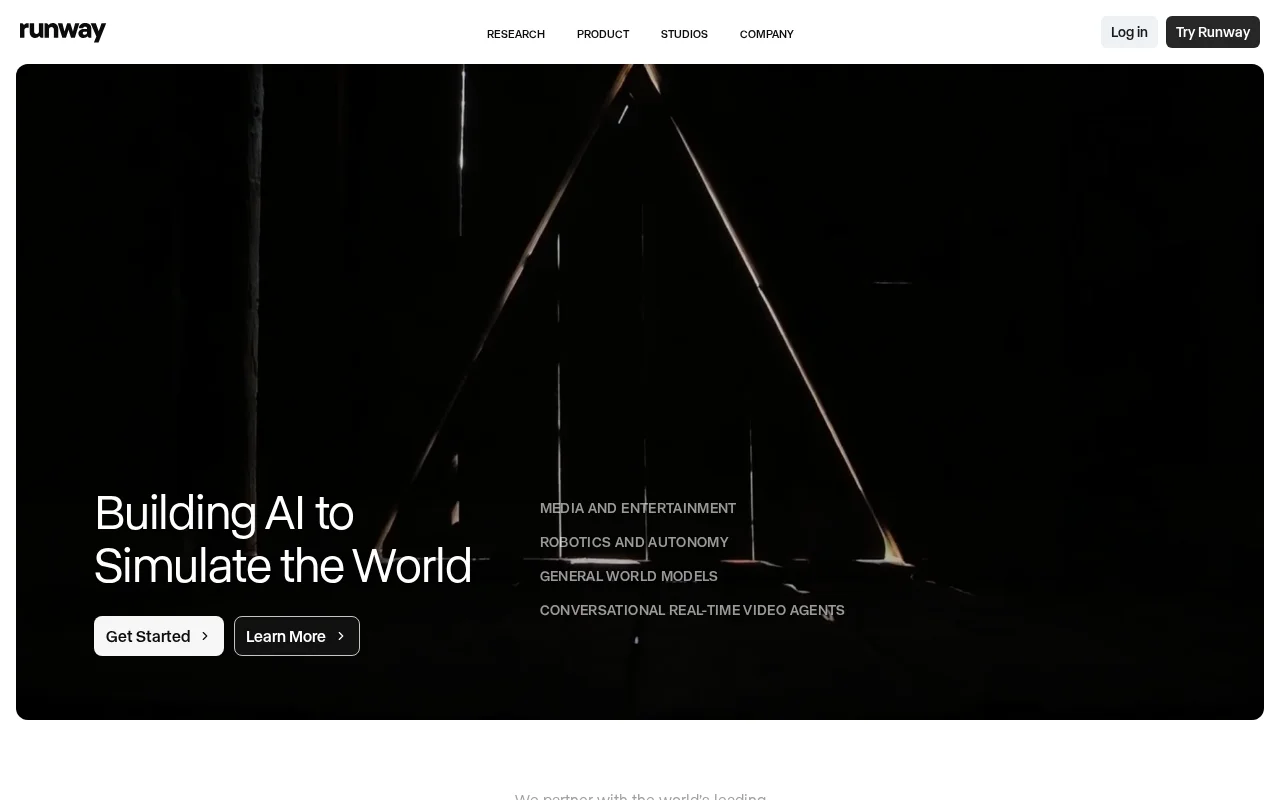
3. Runway Gen-3 - Best for Cinematic Quality
Rating: 9/10
Runway Gen-3 is the current quality benchmark. When clients need hero shots or VFX-quality output, this is where we go. The 2K exports and physics-aware motion put it in a different league.
Core Advantage
Camera rigs - this is where Runway leaves competitors behind. Runway offers preset camera movements-dolly, orbit, crane, tracking-that create genuinely cinematic motion. Combined with scene-level inpainting (fix parts of a frame without regenerating everything), it's the closest to professional VFX in a consumer tool.
How It Performed
The quality scores speak for themselves:
| Metric | Score |
|---|---|
| Visual Quality | 10/10 |
| Motion Coherence | 9/10 |
| Audio Quality | N/A (separate workflow) |
| Render Speed | 6/10 (~45s for 5s) |
| Ease of Use | 7/10 |
The Good and Bad
Strengths:
- Best-in-class visual quality (2K)
- Physics-aware motion (objects move naturally)
- Camera rig presets for cinematic movement
- API access for pipeline integration
- Scene-level inpainting for fixes
Weaknesses:
- Expensive for high-volume work
- Slower renders than competitors
- Steeper learning curve
- No audio integration
- Credits burn fast on iterations
Plans and Pricing
- Creator: $35/month (limited credits)
- Pro: $95/month (more credits, priority queue)
- Enterprise: Custom
Who Should Use Runway Gen-3?
Creative agencies, production studios, and anyone where quality trumps speed. Use Grok or Midjourney for quick drafts, then upgrade hero scenes in Runway. The API makes it ideal for automated pipelines.
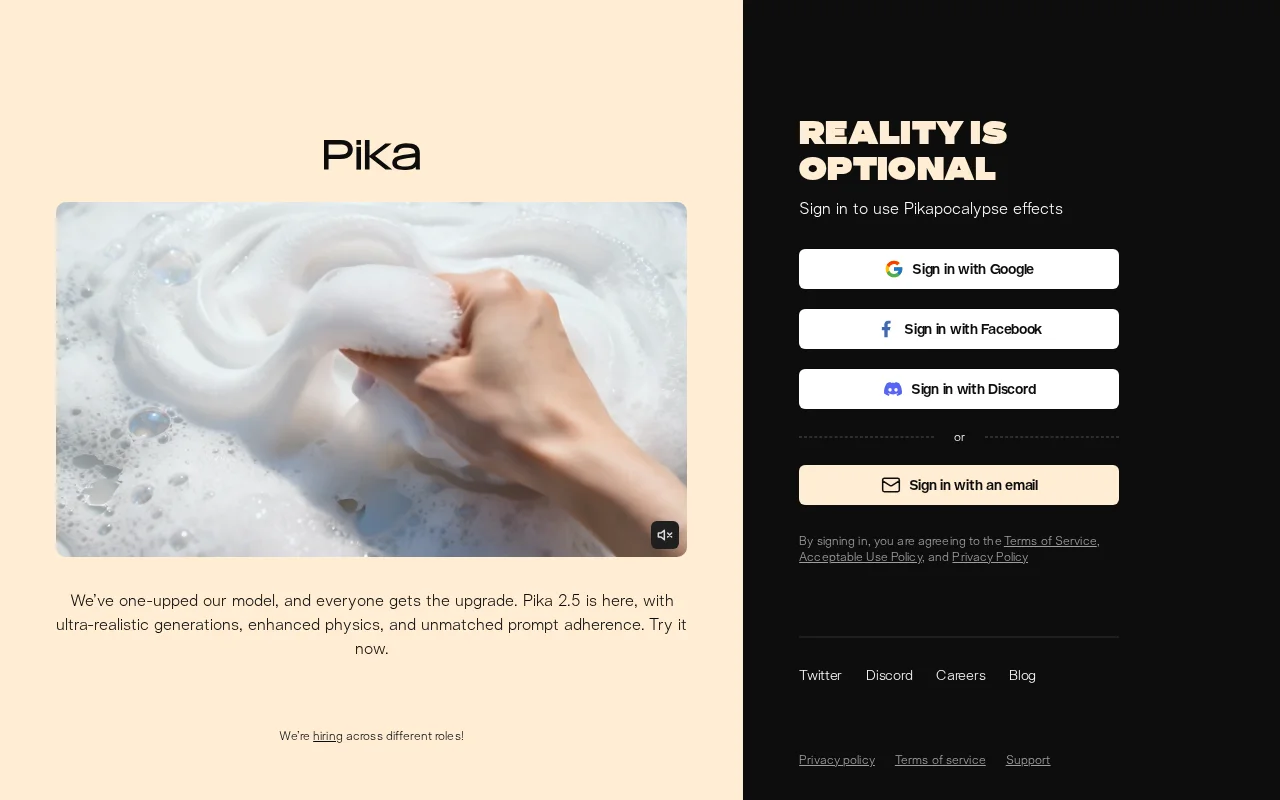
4. Pika Labs Studio - Best for Team Collaboration
Rating: 7.5/10
Pika Labs pivoted from consumer to collaborative workflows, and it shows. The storyboard-first approach makes it ideal for teams where multiple stakeholders touch every project.
Key Differentiator
Upload a script, and Pika automatically generates a shot list. Each shot becomes a reviewable unit with frame-by-frame annotation support. Share review links with clients-no account required on their end.
Test Performance
| Metric | Score |
|---|---|
| Visual Quality | 7/10 |
| Motion Coherence | 7/10 |
| Collaboration | 10/10 |
| Render Speed | 7/10 (~2 min for 10s) |
| Ease of Use | 9/10 |
Upsides and Downsides
Strengths:
- Automatic script-to-shot-list conversion
- Review links with annotations
- Multi-seat collaboration
- 4K export on Studio tier
- Integrates with Airtable, Notion
Weaknesses:
- Visual quality trails Runway/Midjourney
- Watermarks on free/Pro tiers
- Limited style control
- Smaller community/fewer resources
Cost Structure
- Pro: $49/month (unlimited previews)
- Studio: $499/month (multi-seat, 4K, no watermark)
Who Should Use Pika Labs?
Agencies and in-house teams with approval workflows. When product marketing, creative, and external clients all need to review footage, Pika's collaboration features save endless email chains.
5. Synthesia 2025 - Best for Avatar Explainers
Rating: 8/10
Synthesia dominates the avatar video space. For training, onboarding, and explainer content where a talking head is required, nothing else comes close.
2025 Update Highlights
The 2025 update added customizable gestures-avatars now point, nod, and emphasize naturally. LMS integrations mean training videos can live directly in your learning platform with tracking built in.
Avatar Quality Scores
| Metric | Score |
|---|---|
| Avatar Realism | 8/10 |
| Lip Sync | 9/10 |
| Gesture Naturalness | 7/10 |
| Render Speed | 5/10 (~10 min for 2 min video) |
| Ease of Use | 9/10 |
Strengths and Weaknesses
Strengths:
- Most realistic AI avatars available
- Excellent lip sync across languages
- LMS integrations (Workday, Cornerstone)
- Script approval workflow built in
- 140+ languages supported
Weaknesses:
- Expensive for occasional use
- Gestures still feel limited
- Avatars can hit uncanny valley
- Long render times
- Limited creative flexibility
Pricing Tiers
- Starter: $1,000/year (50 video credits)
- Enterprise: Custom pricing
Who Should Use Synthesia?
L&D teams, HR departments, and anyone producing training/compliance content at scale. Record B-roll in Grok or Midjourney, then mix with Synthesia avatar tracks for polished explainers.
Master Comparison Table
| Platform | Best For | Resolution | Max Length | Audio | Collaboration | Starting Price |
|---|---|---|---|---|---|---|
| Grok Imagine | Promos with music | 1080p | 12s | Built-in | [x] | X Premium+ |
| Midjourney Video | Artistic loops | 720p | 8s | [x] | [x] | $30/mo |
| Runway Gen-3 | Cinematic shots | 2K | Variable | [x] | API | $35/mo |
| Pika Labs | Team projects | 4K | 10s+ | [x] | Full | $49/mo |
| Synthesia | Avatar explainers | 1080p | Minutes | Voice | Approvals | $1,000/yr |
Sample Workflow: 60-Minute Launch Promo
This is how we'd approach a product launch video using multiple tools:
- Storyboard in Pika Labs (auto shot list from script)
- Draft visuals in Grok Imagine (include audio bed)
- Hero shots refined in Runway Gen-3 (2K quality)
- Avatar intro/outro in Synthesia (talking head segments)
- Overlay text + brand kit in Canva or Premiere
- Publish across socials using Buffer; repurpose scripts for newsletter
This multi-tool approach gives you speed (Grok), quality (Runway), and professional polish (Synthesia) without breaking budget on any single platform.
Frequently Asked Questions
Which AI video generator has the best quality?
Runway Gen-3 produces the highest quality output at 2K resolution with physics-aware motion. However, Midjourney offers the best artistic style control for social content.
Can I use AI-generated videos commercially?
Generally yes, but check each platform's terms. Grok Imagine's audio has usage restrictions on free tiers. Runway and Midjourney grant commercial rights on paid plans. Always verify before client delivery.
How long does AI video generation take?
Varies significantly: Midjourney renders 8-second loops in under 90 seconds, while Synthesia takes 10+ minutes for a 2-minute avatar video. Runway falls in between at ~45 seconds for 5 seconds of footage.
Do I need a powerful computer?
No. All these tools are cloud-based. You're paying for their GPU time, not using your own hardware. A basic laptop with a browser is sufficient.
Which tool is best for beginners?
Pika Labs has the gentlest learning curve with its script-to-shot workflow. Synthesia is also beginner-friendly for avatar videos. Midjourney and Runway require more prompt engineering knowledge.
Can AI video generators create long-form content?
Not directly. Current tools max out at seconds to minutes per generation. For long-form, you'll combine multiple clips in traditional editing software like Premiere or DaVinci Resolve.
Legal & Ops Checklist
Before shipping AI-generated video:
- Confirm music rights from Grok or use licensed audio overlays
- Maintain consent logs when fine-tuning on internal footage
- For avatar videos, obtain likeness and voice permissions
- Run final exports through QA in Premiere/DaVinci to catch artifacting
- Document which tools generated which assets for client transparency
- Review platform terms for any content ownership implications
The Bottom Line
Pick Grok Imagine if audio integration matters and you want an all-in-one promo tool.
Pick Midjourney Video if artistic style and social loops are your focus.
Pick Runway Gen-3 when quality is non-negotiable and budget allows.
Pick Pika Labs for team environments with approval workflows.
Pick Synthesia for training, onboarding, and avatar-based explainers.
Still not sure where to start? Most professional workflows combine 2-3 tools: fast drafts in Grok or Midjourney, hero shots in Runway, and talking heads in Synthesia. Start with one, learn its limits, then expand your stack.
Sources
[^1]: xAI. "Grok Imagine v0.9 Launch Notes." October 21, 2025. https://x.ai/blog/grok-imagine-v09 [^2]: Midjourney. "Video Beta Documentation." September 30, 2025. https://docs.midjourney.com/video-beta [^3]: Runway. "Gen-3 Alpha Technical Overview." August 11, 2025. https://research.runwayml.com/gen3 [^4]: Pika Labs. "Enterprise Suite 2025." September 5, 2025. https://www.pikalabs.com/blog/enterprise-suite-2025 [^5]: Synthesia. "2025 Product Update." July 18, 2025. https://www.synthesia.io/blog/2025-product-update

Written by
Topic Wise Team
Our team of analysts and researchers covering tech, markets, wellness, and everyday decisions.
